
On This Page
ToggleUnveiling Fairfax DUI Checkpoints: Procedures and Implications
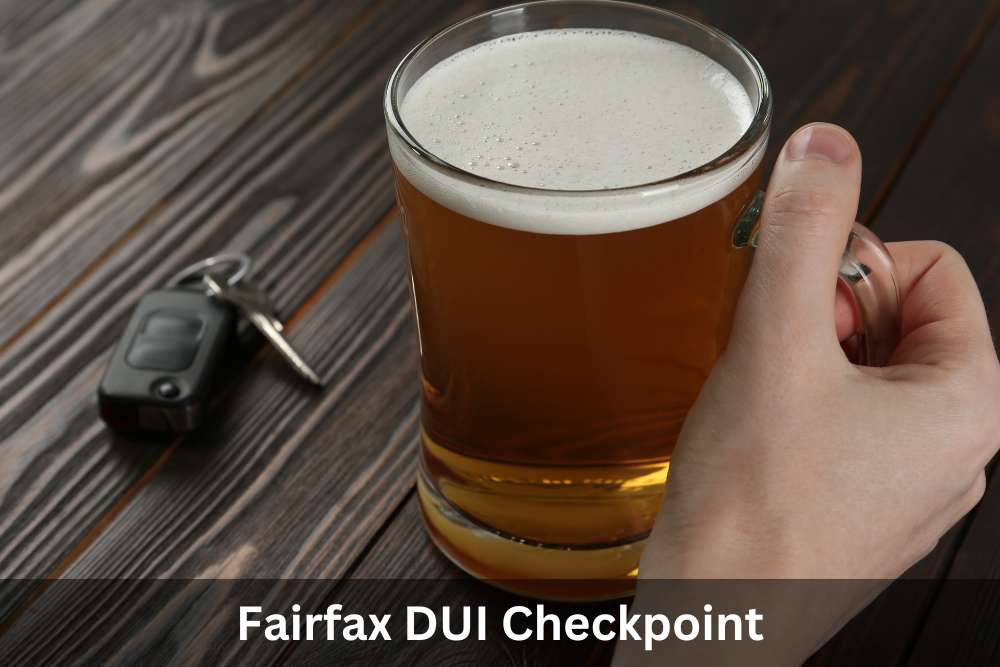
Step into the world of Fairfax DUI Checkpoints: Procedures and Implications, presented by The Law Offices Of SRIS, P.C. Have you ever wondered what happens behind the scenes at a DUI checkpoint in Fairfax? Are you curious about the procedures followed and the potential outcomes for drivers? You’re about to find out.
DUI checkpoints Fairfax VA are fixed roadblocks established by law enforcement agencies to identify and prevent impaired driving. They are usually positioned in areas with a track record of DUI incidents or where encountering impaired drivers is more probable. If you experience one, it is essential to know the functioning of these checkpoints and your rights when encountering them.
In Fairfax, DUI checkpoints must adhere to strict legal guidelines established by both state and federal laws. These guidelines dictate various aspects of checkpoint operations, including their location, timing, and procedures followed by law enforcement officers. For instance, checkpoints must be publicly announced in advance to ensure transparency and compliance with constitutional rights.
Common procedures followed at Fairfax DUI checkpoints:
At Fairfax DUI checkpoints, law enforcement officers typically follow specific procedures to ensure the effectiveness and legality of the checkpoint. These procedures are designed to detect and deter impaired driving while also respecting the rights of drivers. Here are some common procedures followed at DUI checkpoints Fairfax VA:
- Checkpoint Setup: Law enforcement agencies select suitable locations for DUI checkpoints based on factors such as historical DUI incident data and traffic patterns. Checkpoints are typically established on roads with high traffic volume and known DUI hotspots. Additionally, checkpoints must be set up in a manner that provides adequate visibility and warning to approaching drivers.
- Public Announcement: Prior to conducting DUI Checkpoints in Fairfax VA, law enforcement agencies are required to provide public notice of the checkpoint’s location, date, and time. This announcement is usually made through local media outlets or official law enforcement channels. Giving advance notice helps ensure transparency and compliance with constitutional rights.
- Traffic Diversion: As drivers approach a DUI Checkpoints in Fairfax VA, they are directed by signage and law enforcement personnel to a designated area where the checkpoint is located. Officers may use traffic cones or other barriers to guide vehicles into a single lane for screening.
- Brief Interaction: Upon reaching the checkpoint, drivers are required to stop and briefly interact with law enforcement officers. Officers may ask drivers questions to assess their sobriety, such as inquiring about their destination or recent alcohol consumption. Additionally, officers may conduct a brief visual inspection of the vehicle and its occupants.
- Field Sobriety Tests: Law enforcement officials occasionally request that drivers perform field sobriety tests to determine their degree of intoxication further. These evaluations may involve activities like balancing on one leg or walking along a straight line. Drivers may decline these tests, though, and there won’t be any immediate legal repercussions.
- Breathalyzer Testing: Police may ask for a breathalyzer test to find out a driver’s blood alcohol content (BAC) if they have a good basis to believe that the driver is intoxicated. According to Virginia’s implied consent law, drivers must submit to breathalyzer testing; otherwise, they risk administrative sanctions like license suspension.
- Processing and Documentation: When dealing with drivers at a checkpoint, law enforcement officials keep a record of their contacts, including any indications of impairment or noncompliance with testing requirements. When a driver is caught for DUI, they are usually placed under arrest and handled in accordance with conventional protocols.
How DUI Lawyer Can Help You?
While Fairfax DUI Checkpoint tonight aims to deter drunk driving, encountering one can be a stressful experience, especially if you’ve consumed any alcohol. Even if you believe you’re sober, having a lawyer by your side at a Fairfax DUI checkpoint can be a wise move. Here’s why:
- Protecting Your Rights: Police interactions at DUI checkpoints can be intimidating. An experienced DUI lawyer can ensure your rights are upheld throughout the DUI Checkpoint process. They can:
- Explain Your Options: You have the right to refuse field sobriety tests (FSTs) at a checkpoint. Your lawyer can explain this right and advise you on whether to decline or participate, depending on the situation.
- Monitor Officer Conduct: Law enforcement must follow specific procedures during checkpoints. Your lawyer can be present to observe the interaction and ensure officers act appropriately.
- Challenge Unreasonable Stops: Checkpoints must be conducted fairly and objectively. If your lawyer believes you were stopped without reasonable suspicion, they can challenge the stop and potentially suppress any evidence obtained.
- Mitigating the Situation: Even if you cooperate with the stop, a lawyer can help minimize the situation. They can:
- Advise on Answering Questions: You have the right to remain silent, and your lawyer can guide you on how to decline to answer questions about your alcohol consumption politely.
- De-escalate Interactions: A lawyer’s presence can add a layer of professionalism and help keep the interaction calm and professional.
- Navigate Next Steps: If the officer suspects intoxication and asks for further testing, Fairfax DUI lawyer VA can advise you on how to proceed while protecting your rights.
Beyond the Checkpoint:
Even if you avoid arrest at the checkpoint, a DUI lawyer can still be valuable. They can:
- Review Interactions: Your lawyer can analyze your experience at the checkpoint and identify any potential issues with the stop or officer conduct.
- Prepare for Potential Charges: If you face a DUI charge later on, having an attorney already acquainted with the specifics of your checkpoint encounter can be a notable advantage in constructing your defense.
- Peace of Mind: Knowing your rights and having a legal professional by your side can provide peace of mind during a potentially stressful situation. A lawyer can ensure your voice is heard and your rights are protected, even at a seemingly routine DUI checkpoint.
Don’t face Fairfax DUI checkpoints alone. Reach out to The Law Offices Of SRIS, P.C. to stand by your side and protect your rights. Our team of lawyers is knowledgeable about the procedures and implications of DUI checkpoints in Fairfax, and we’re here to fight for a beneficial outcome for you. Get in touch with us, and let us guide you through this challenging process. Contact us today!
FAQ
Legally, you can’t avoid a DUI checkpoint if you encounter one while driving. However, you can turn it off before reaching the checkpoint if you see it in advance. However, if law enforcement observes you avoiding the checkpoint suspiciously, they may have reasonable cause to pull you over.
If stopped at a DUI checkpoint, remain calm and cooperative. Upon request, provide your driver’s license, vehicle registration, and proof of insurance. You are not obligated to answer questions about your whereabouts or consumption of alcohol, so politely decline to do so.
Virginia has an implied consent law, which means that refusing to take a breathalyzer test can result in the automatic suspension of your driver’s license and further DUI Checkpoint penalties. However, field sobriety tests can also be refused, as they are voluntary.
Yes, DUI checkpoints must adhere to specific legal guidelines to be considered constitutional. Factors like the checkpoint’s location, timing, and execution can challenge their constitutionality. Consult with a knowledgeable DUI lawyer to evaluate the circumstances of your case.
Consequences of a DUI arrest can include fines, license suspension, mandatory alcohol education or treatment programs, and even jail time. Additionally, a DUI conviction can have long-term implications on employment, insurance rates, and personal reputation.